
Garage Door Tune Up
GARAGE DOOR TUNE-UP IN CINCINNATI, OH
Clopay recommends lubricating a garage door's moving parts about every 6 months, and DASMA advises an annual visit from a trained technician. Most doors get neither. Welcome Home Garage Doors offers a garage door tune-up in Cincinnati, OH that tightens hardware, lubricates rollers and hinges, tests balance, adjusts springs, and tests safety features in about an hour. We also cover what we check, why it matters, and what follows. Our 5-star Google rating was earned one quiet door at a time.
AN HOUR A YEAR BUYS A QUIETER DOOR.
Listen to your door tonight. A squeal at the top of the track, a clunk halfway down, a shudder as it lands: each is a part asking for attention. Left alone, a loose bolt becomes a bent hinge, and a dry roller becomes a strained opener. A yearly tune-up catches those whispers while the fix is still a wrench turn.
Remember that springs do the heavy lifting and the opener only guides the door. Keep the springs adjusted and the door in balance, and every other part, opener included, lives an easier life.
- All hardware tightened, top to bottom
- Rollers, hinges, and springs lubricated
- Balance tested with the opener disconnected
- Auto-reverse and photo eyes verified
GARAGE DOOR TUNE-UP
TIGHTEN, LUBRICATE, BALANCE, TEST.
Four verbs, one visit, about an hour. We start by snugging every bolt and lag screw on the hinges, brackets, and track. Next comes lubricant on rollers, hinges, bearings, and springs. Then we disconnect the opener and lift the door by hand to read its balance, adjusting spring tension if it drifts. Last, we test the auto-reverse and photo eyes until the door behaves exactly as the federal safety rule intends.
CINCINNATI SUMMERS AND WINTERS PULL IN OPPOSITE DIRECTIONS.
July humidity rolling off the Ohio River swells weatherstripping and speeds rust on springs and cables. January flips the script: at a normal low of 23°F, lubricant stiffens, seals harden, and metal contracts. Add road salt splashed onto bottom brackets and steep driveways that twist a door on its tracks, and the hardware here works harder than any brochure admits. Twice-yearly lubrication and a yearly tune-up keep pace.
WE CALL BACK A FEW DAYS LATER TO CHECK.
Our job does not end when the truck pulls away. A few days after every tune-up, we follow up to ask how the door is running, because a spring adjustment or a new coat of lubricant can settle once the door has cycled a few dozen times. Across 9+ years in Greater Cincinnati, that habit has kept small issues small. When did your door last get this kind of attention?
WHY CHOOSE US FOR GARAGE DOOR TUNE-UPS.
About an Hour, Start to Finish
Busy households do not have to clear a whole afternoon. A complete tune-up takes about an hour, and we work around your schedule, so the door runs quieter before lunch and you get the rest of the day back.
A Checklist, Not a Glance
Every tune-up follows the same sequence: hardware, rollers, cables, weatherstripping, lubrication, balance, spring tension, and safety tests. Nothing gets skipped because the door looked fine from the driveway or because the visit is running long.
Safety Tests You Can Watch
Auto-reverse and photo-eye tests happen right in front of you. We lay a 2x4 flat under the door and show it reversing on contact, then explain how to repeat that simple check each month on your own.
Problems Caught Early
Frayed cables, cracked rollers, and tired springs rarely fail without warning. We spot those signs during the visit and give you an estimate for any repair, so you decide on your timeline instead of the door deciding for you.
A Follow-Up Call
Days after the visit, we check in to confirm the door still runs smoothly. That short call gives you an easy moment to mention a new noise, a slow close, or anything else that seems different since we left.
Longer Life for Your Opener
Openers typically last 10 to 15 years, but a binding, unbalanced door shortens that span. Keeping the door light and smooth lets the motor guide rather than haul, which protects the machine hanging from your ceiling.
WHAT WE CHECK
OUR TUNE-UP WORK
Here is exactly what happens during the hour we spend with your door. Each item below is part of every tune-up, not an add-on, and we explain what we find as we go so nothing feels like a mystery.
HARDWARE
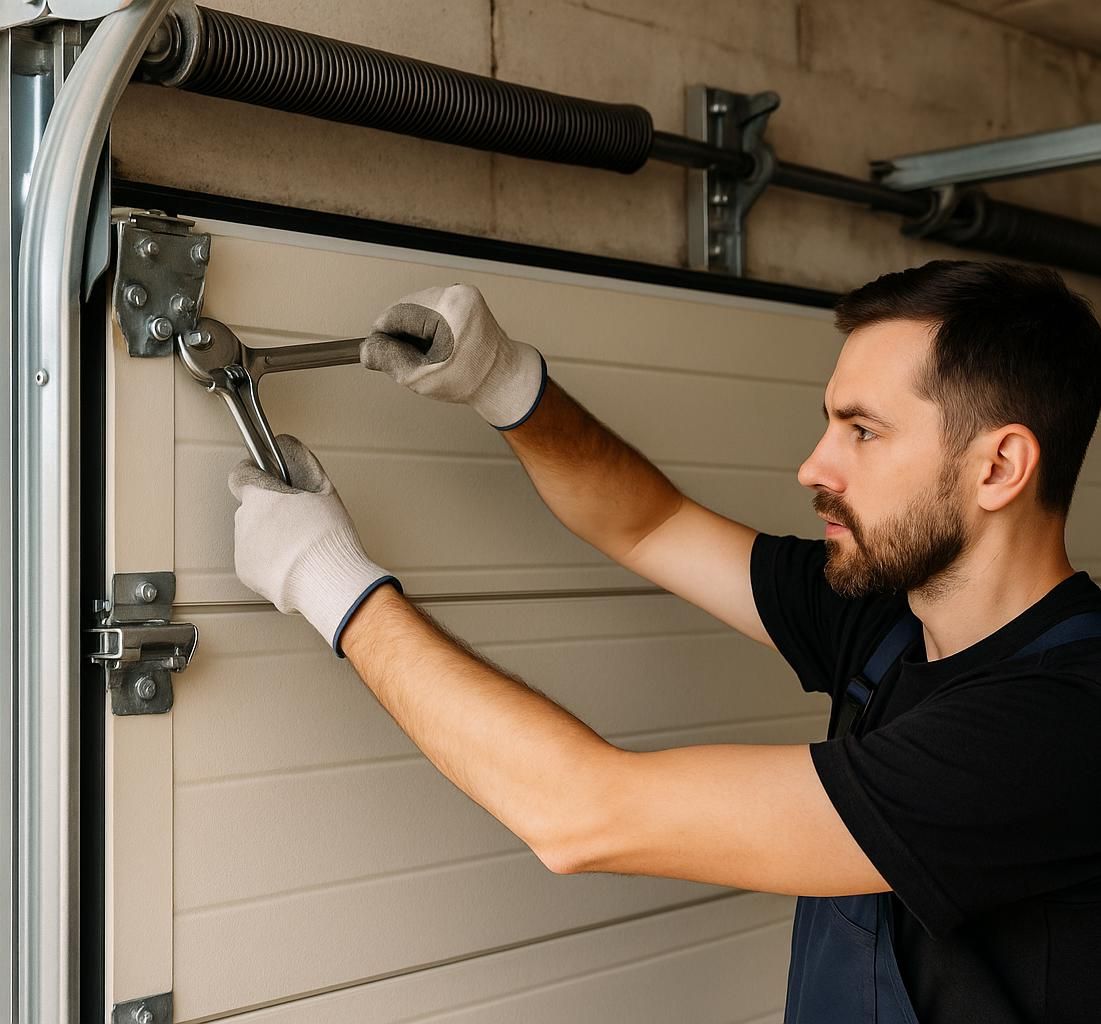
Hardware Tightening
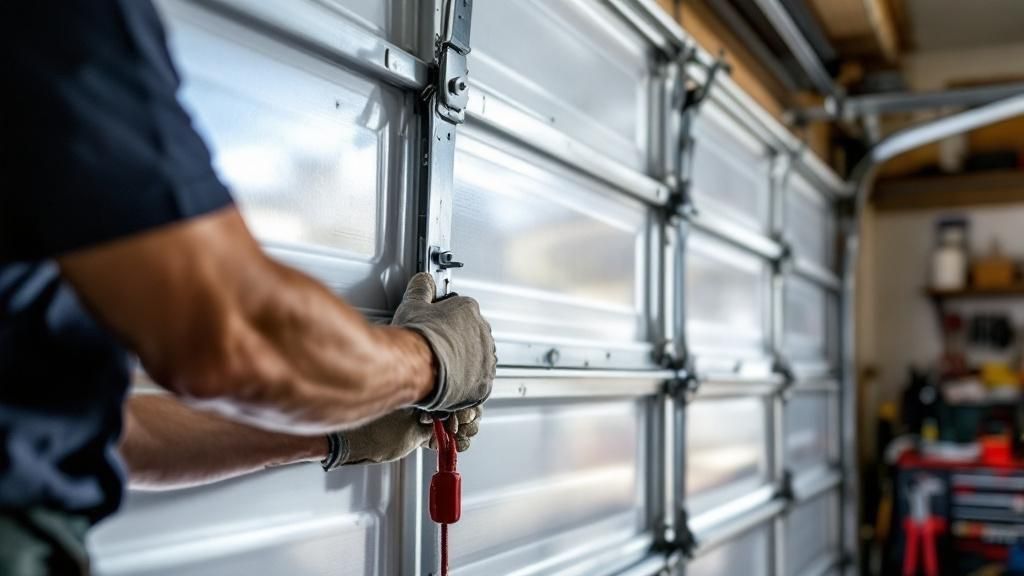
Thousands of open and close cycles shake bolts, lag screws, and hinge fasteners loose. We snug every one on the tracks, hinges, and brackets, which stops rattles and keeps the sections from flexing out of line over time.
LUBRICATION
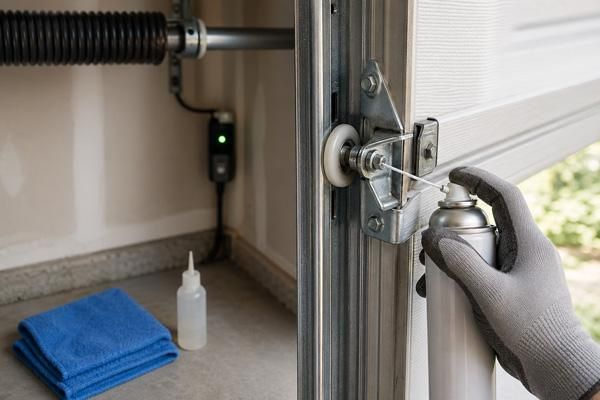
Roller and Hinge Lubrication
Lubricant made for garage doors goes on rollers, hinges, bearings, and spring coils, never inside the tracks, where grease only collects grit. The result is a door that glides instead of groaning, with less friction wearing down parts.
BALANCE
Door Balance Testing
With the opener disconnected and the door closed, we lift it by hand to roughly halfway and let go. A balanced door stays put. One that sinks or rises tells us the springs need adjustment before they strain anything else.
TENSION
Spring Tension Adjustment
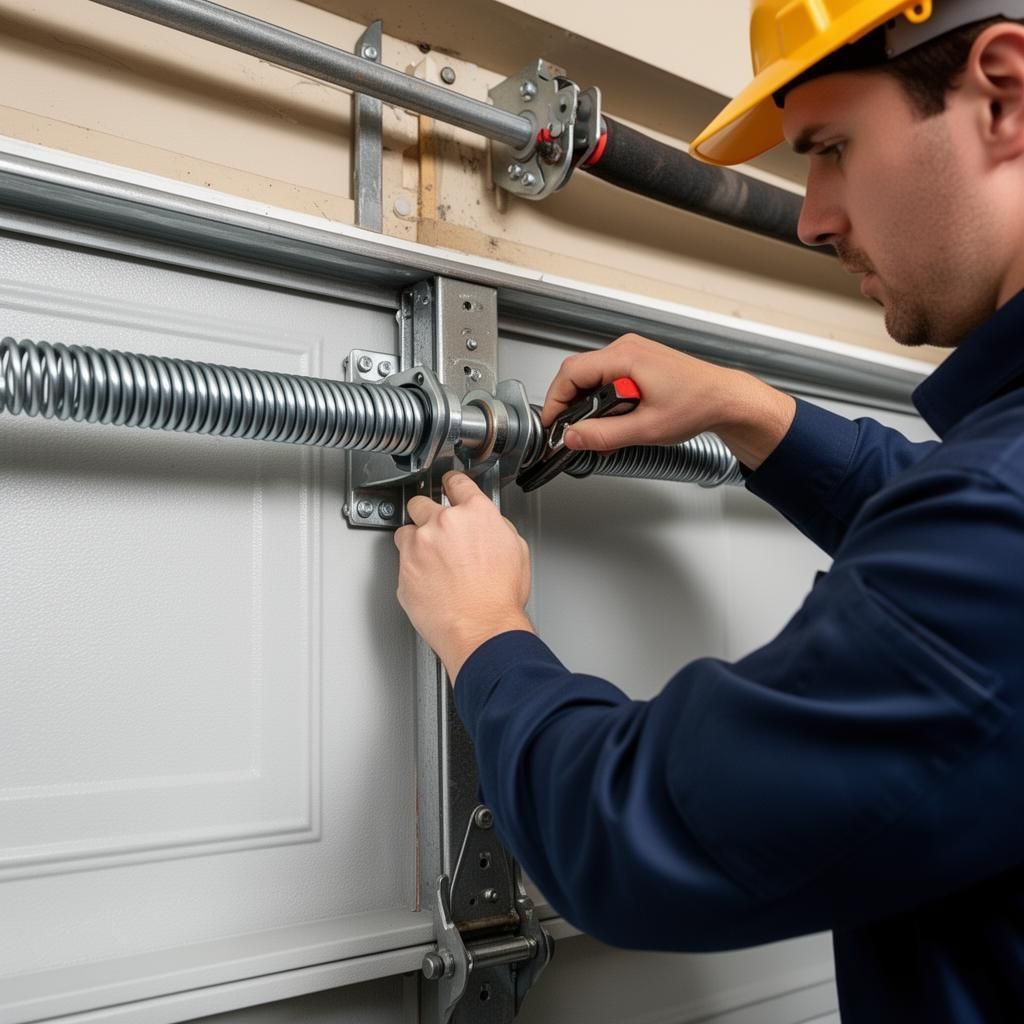
Tension fades a little every season. Using proper winding bars, we add or remove turns until the door holds its position, taking strain off the opener. Worn or damaged springs get flagged with a clear repair estimate instead.
SAFETY
Auto-Reverse and Sensor Testing
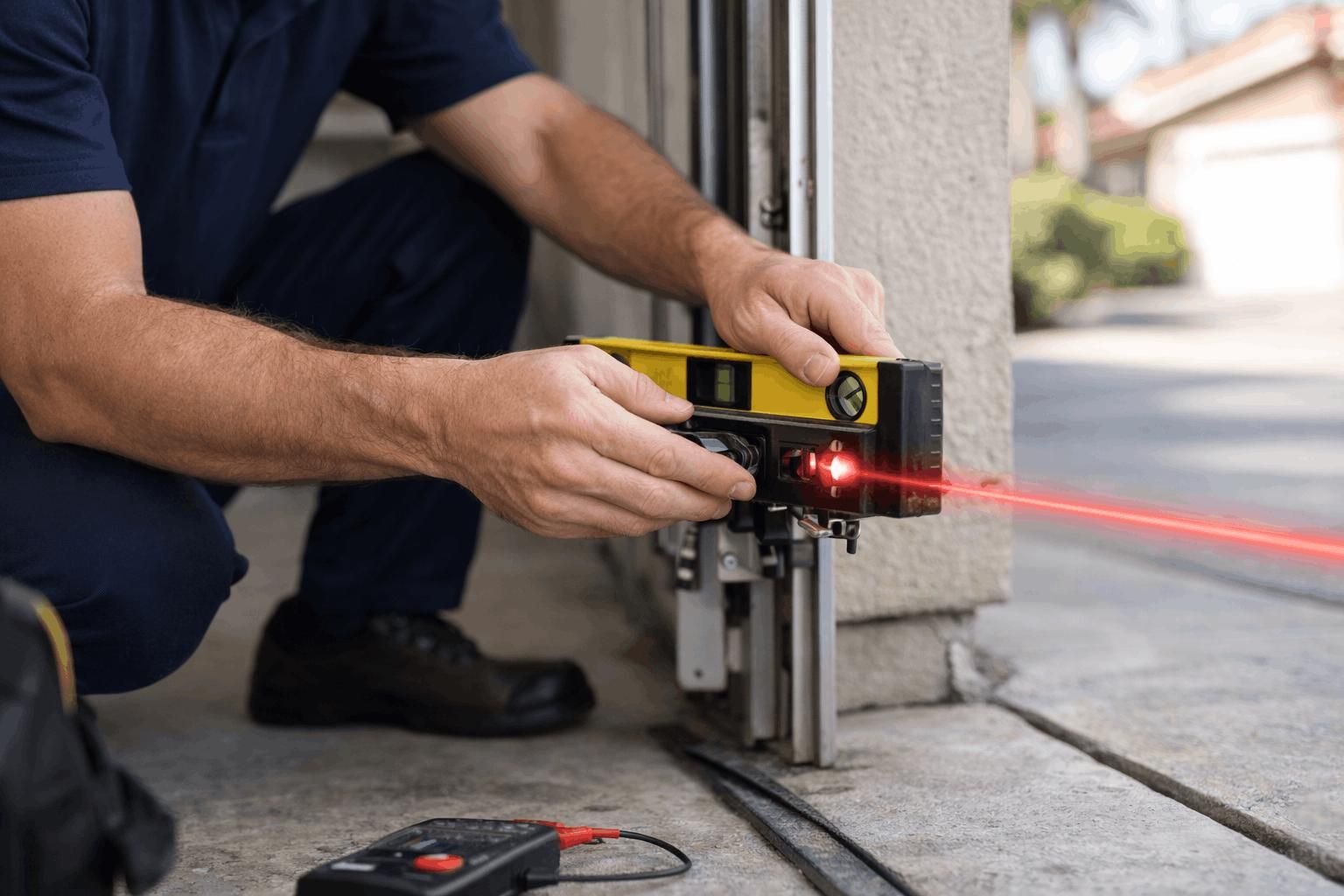
Federal rules require entrapment protection on residential openers made since January 1, 1993. We confirm the photo eyes sit no higher than 6 inches off the floor, align them, and run the 2x4 test until the door reverses on contact.
SEALS
Weatherstripping Inspection
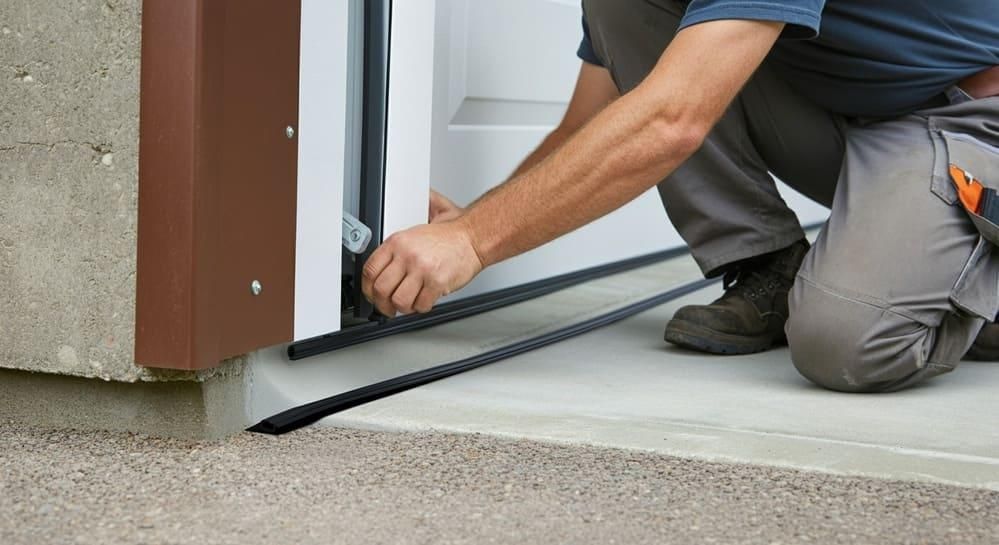
Cracked, flattened, or torn weatherstripping lets in drafts, rain, and mice. We check the bottom seal and perimeter strips, and if daylight shows under a closed door, we give you an estimate to replace them before winter arrives.
Real Reviews · Real Customers
WHAT OUR CLIENTS SAY.
Reviews below come from homeowners who trusted us with the front of the house. Read what they say about install day, the finished look, and how the door runs months later, then compare it with our 5-star Google rating before you book your estimate.
faq
frequently asked
questions.
Maintenance questions tend to show up right after a door starts squeaking. Below are straight answers to the ones homeowners ask most, from lubrication schedules to the balance test and the sprays to avoid.
What does a garage door tune-up include?
A tune-up from Welcome Home Garage Doors in Cincinnati, OH includes tightening all hardware, inspecting rollers, cables, and weatherstripping, lubricating moving parts, testing balance, adjusting springs, and checking the auto-reverse and photo eyes.
How often should a garage door be serviced?
Once a year is the standard. DASMA recommends an annual visit from a trained technician, with lubrication of moving parts about every 6 months for average use. Frequent use may call for attention sooner.
Can a tune-up fix a noisy garage door?
Often it can. Most squeaks and rattles come from slack hardware or unlubricated rollers and hinges, which a tune-up addresses directly. Worn or cracked rollers, however, need replacement, and we will point those out during the visit.
How often should I lubricate my garage door?
About every 6 months for average use, according to Clopay. Doors that cycle many times a day, or that face heavy humidity and road salt, benefit from more frequent attention to rollers, hinges, and springs.
What is a garage door balance test?
It checks whether the springs are carrying the door's weight correctly. With the door closed, disconnect the opener, lift the door halfway by hand, and let go. A balanced door stays put; one that drifts needs spring adjustment.
How long does a garage door tune-up take?
Plan on about an hour. Welcome Home Garage Doors completes most tune-ups in Cincinnati, OH within that window, then follows up a few days later to make sure the door is still running smoothly.
What should you not spray on a garage door?
Skip WD-40 as a lubricant. It works as a cleaner and solvent, not a lasting lubricant, so it strips grease and leaves parts dry. Use a silicone or white lithium spray made for garage doors instead.
Should garage door weatherstripping be replaced?
Yes, once it cracks, flattens, or tears. Daylight showing under a closed door, water on the floor after rain, or leaves blowing in all signal a seal that no longer does its job.
LEARN MORE →
HOW WE WORK
FROM FIRST TURN OF THE WRENCH TO FOLLOW-UP CALL, HERE IS HOW.
STEP 01
Book Your Visit
Pick a time through the booking form and tell us what the door is doing, even if the answer is nothing unusual. A tune-up works best before a problem shows up, not after it has already started.
STEP 02
Tighten Every Fastener
Wrench in hand, we work through the hinges, brackets, and track bolts from bottom to top, snugging anything that vibration has loosened since the door was hung. Rattles usually disappear before we reach the header.
STEP 03
Inspect the Wear Parts
Rollers, cables, and weatherstripping each get a close look for fraying, cracking, flat spots, and rust. Anything past its prime goes on a list with a clear repair estimate, and nothing is replaced without your approval.
STEP 04
Lubricate Moving Parts
Next, lubricant goes on hinges, rollers, bearings, and springs. We wipe away old, gritty buildup first, because fresh lubricant layered on top of dirt only makes a grinding paste that wears parts faster.
STEP 05
Fine-Tune the Balance
Disconnecting the opener lets us feel the door's true weight. If it drifts up or down from halfway, we adjust spring tension, then test the auto-reverse with a 2x4 and confirm the photo eyes are aligned.
STEP 06
Follow Up
Then, a few days later, we call to hear how the door is running. If anything sounds different or feels heavier than it did when we left, that call is the right moment to tell us about it.